
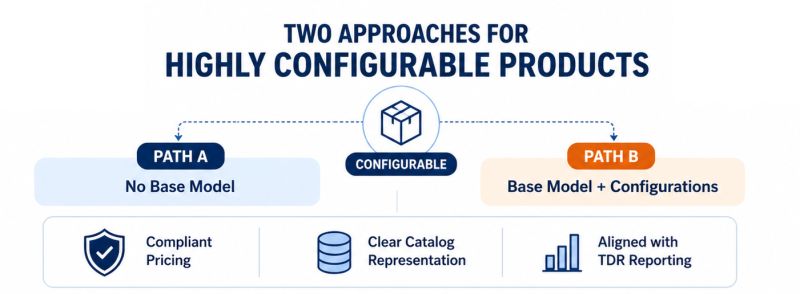
GSA released new guidance on how to handle highly configurable products in the FAS Catalog Platform – and this is a big one for vendors struggling with complex catalogs.
MAS Refresh 31 – Critical Update for SIN 339940 & 339940OS4 Contractors
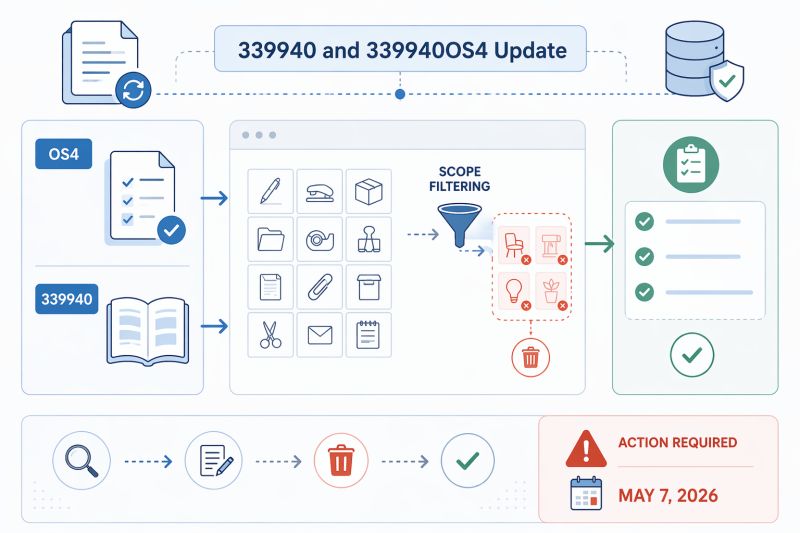
MAS Refresh 31 (April 2, 2026) introduced parallel but different requirements for SIN 339940OS4 and SIN 339940 – and both require action before May 7, 2026.
MAS Refresh 31 is LIVE: TDR Becomes Mandatory – What Contractors Need to Know
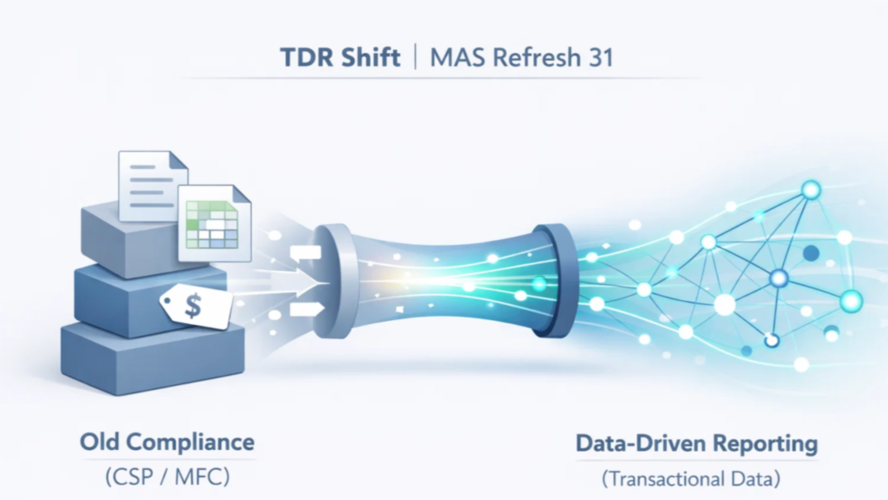
The upcoming GSA MAS Refresh 31 introduces one of the most significant structural changes to the Schedule program in years:
👉 Transactional Data Reporting (TDR) will become mandatory for ALL SINs
This marks the official end of the long-standing dual model (TDR vs CSP/MFC) and shifts the entire MAS program toward a data-driven compliance framework.
LOGCAP VI Explained: What Federal Contractors Should Know

Key Points:
- LOGCAP VI is a multi-billion dollar U.S. Army logistics program with a projected RFP in 2026 and awards in 2027.
- Success requires global capability, rapid deployment readiness, and strong past performance in contingency operations.
- Contractors must compete at both the contract and task order level under an IDIQ structure.
- Early preparation, strategic partnerships, and compliance readiness are critical to winning LOGCAP VI opportunities.
Transactional Data Reporting Explained: What GSA MAS Contractors Need to Know

Key Points:
- Transactional Data Reporting is now mandatory for all GSA MAS contractors and replaces traditional pricing disclosures with real transaction data.
- Contractors must report detailed sales data monthly through the Sales Reporting Portal within 30 days after month end.
- TDR shifts compliance from documentation to data accuracy, making internal systems and processes critical for success.
- Strong data management, automation, and cross team coordination help reduce risks and ensure ongoing compliance
DFARS and CMMC: New Mandatory Cybersecurity Requirements for Defense Contractors

Key Points:
- DFARS and the CMMC program introduce mandatory cybersecurity verification for defense contractors that handle Federal Contract Information or Controlled Unclassified Information.
- The CMMC framework includes three certification levels and may require either self assessments or third party cybersecurity audits.
- Contractors must maintain compliance through documented security controls, system tracking in SPRS, and regular affirmation of cybersecurity practices.
- Early preparation helps defense contractors remain eligible for DoD contracts and maintain competitiveness within the Defense Industrial Base supply chain.
The Government’s 2026 Shopping List: How to Choose the Right NAICS Codes and Get Noticed by Contracting Officers

Key Points:
- NAICS codes classify businesses by industry and help federal agencies identify qualified vendors during procurement and market research.
- Selecting accurate primary and secondary NAICS codes improves visibility in SAM.gov and vendor databases used by contracting officers.
- Each NAICS code is tied to SBA size standards, which determine small business eligibility and access to set aside programs.
- A strategic NAICS approach helps contractors align with federal spending trends and increase their chances of winning government contracts.
What to Do Before Pursuing a GSA Schedule

Key Points:
- A GSA Schedule is a contracting vehicle that provides access to federal buyers, but it does not guarantee revenue without an active sales strategy.
- Before pursuing a GSA Schedule, companies must confirm eligibility, validate SIN-level demand, and analyze competitive density within their target market.
- Pricing preparation is the primary risk area. Misaligned discount structures and weak price justification can damage profitability and increase compliance exposure.
- Long-term success depends on internal readiness, consistent compliance management, and a documented government sales plan aligned with minimum sales requirements.
GSA Proposal Rejection: What to Do and How to Win Next Time

Key Points:
- 60–75% of first-time GSA MAS proposals face rejection, most often due to pricing, compliance gaps, or SIN misalignment.
- Pricing defensibility drives success. Up to 70–85% of rejections involve “fair and reasonable” pricing concerns tied to CSP disclosures and market benchmarking.
- A structured resubmission strategy, including pricing rebuild, scope validation, and compliance review, significantly increases award probability.
- Long-term compliance and audit readiness matter more than speed. A disciplined approach reduces the risk of repeat rejection and strengthens future GSA growth.
GSA and DOGE: The New Architecture of Federal Procurement

Key Points:
- The 2025 reforms are now fully operational, with GSA functioning as a centralized acquisition integrator across major procurement categories.
- Data transparency and AI supported oversight have increased pricing scrutiny, performance monitoring, and compliance expectations for MAS contractors.
- Competition has intensified within streamlined contract categories, requiring stronger differentiation and disciplined pricing strategy.
- Contractors that align pricing, compliance, and capture planning with centralized buying patterns are better positioned for sustainable federal growth.


