
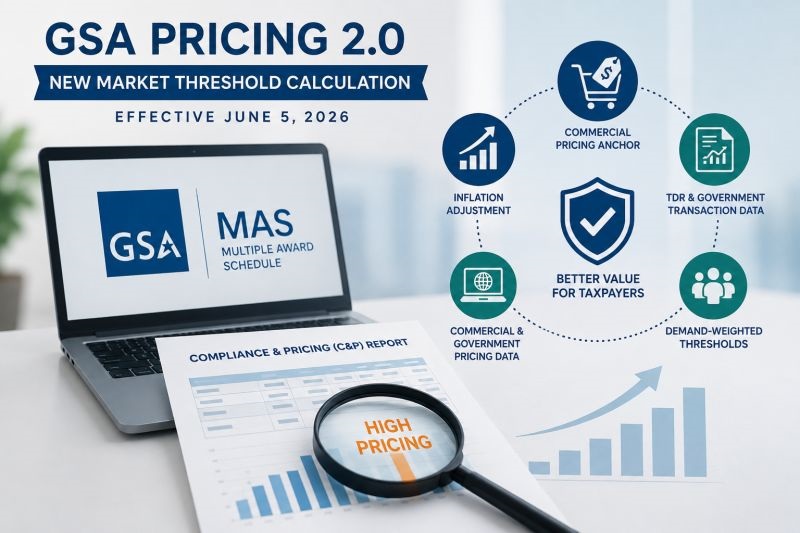
GSA announced that it is refining the way the Market Threshold is calculated in the Compliance & Pricing (C&P) report. This is not a new manual action for vendors – the update will be applied automatically – but contractors should understand how the new calculation may affect HIGH pricing flags and future price negotiations..
A Guide to the GSA MAS Transportation and Logistics Services Large Category

Key Points:
- The Transportation and Logistics Services Large Category supports a wide range of federal transportation, fleet, delivery, and mobility procurement needs under the U.S. General Services Administration MAS program.
- Contractors can pursue multiple transportation-related SINs covering vehicles, delivery services, air charter transportation, marine craft, leasing programs, and logistics support solutions.
- Some transportation SINs require specialized pricing structures and additional compliance documentation, including FAA certifications, ISO standards, technical specifications, and operational records.
- Federal demand continues to grow in areas such as fleet modernization, electrification initiatives, emergency response readiness, and transportation efficiency, creating ongoing opportunities for qualified contractors.
Startup Springboard: How Startups Can Qualify for a GSA Schedule Contract

Key Points:
- Startup Springboard allows qualifying startups to pursue a GSA MAS contract without meeting the standard two-year corporate experience requirement.
- Current eligibility is primarily focused on IT-related offerings and often requires alignment with FASt Lane and federal agency demand.
- Startups must still demonstrate financial responsibility, pricing support, operational readiness, and compliance capability during the MAS evaluation process.
- Companies that prepare strategically and organize strong supporting documentation can establish an early presence in the federal marketplace through the MAS program.
GSA MAS contractors: MAS Refresh 32 is coming
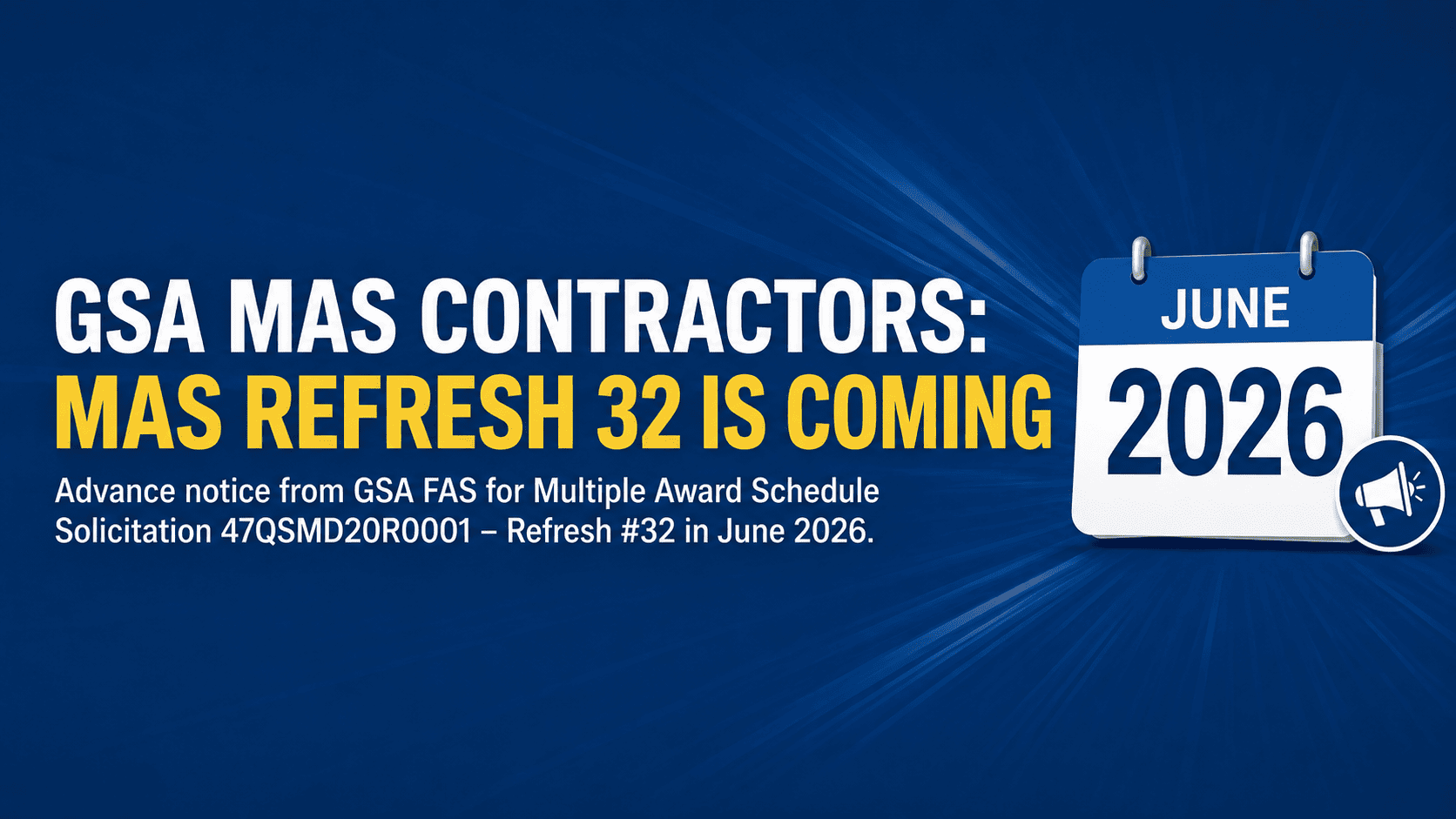
GSA FAS has issued advance notice that Multiple Award Schedule Solicitation 47QSMD20R0001 – Refresh #32 is planned for June 2026, along with an upcoming mass modification.
GSA FAS Reorganization – What Contractors Should (and Shouldn’t) Expect
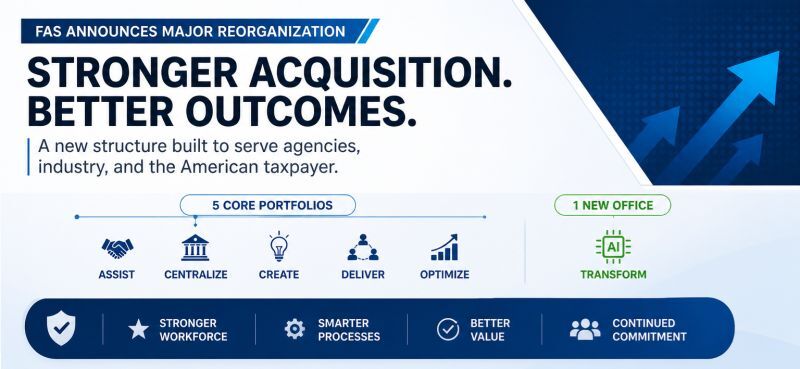
The Federal Acquisition Service (FAS) just announced a major internal restructuring aimed at strengthening the acquisition workforce and supporting procurement consolidation initiatives.
GSA Scorecard Dashboard Tool Coming Soon

The U.S. General Services Administration is preparing to roll out a new Scorecard Dashboard tool for eligible contractors.
GSA Issues Guidance on EPA Requests Related to Memory Price Increases
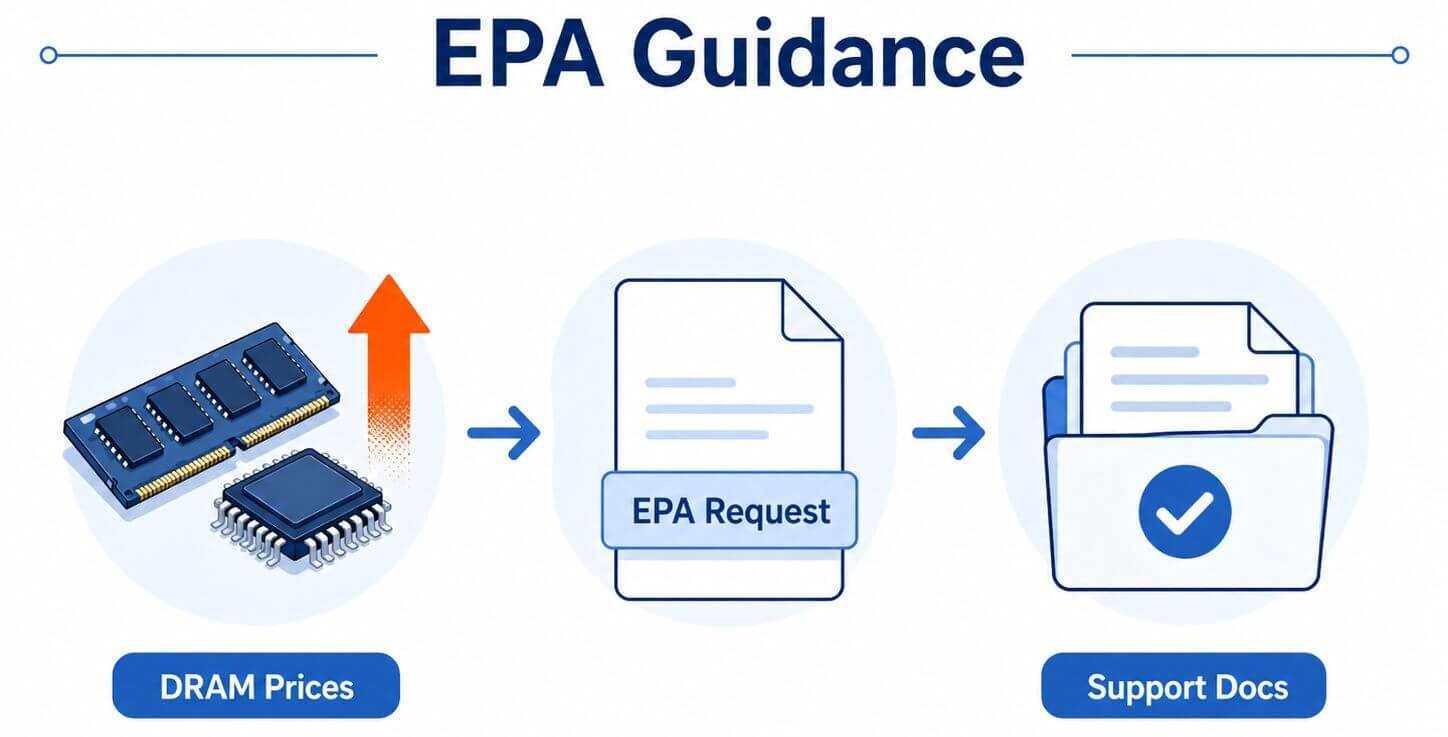
GSA has issued updated guidance for Multiple Award Schedule (MAS) contractors submitting Economic Price Adjustment (EPA) requests related to volatility in Dynamic Random-Access Memory (DRAM) and broader microchip markets.
Highly Configurable Products in FCP – New GSA Guidance
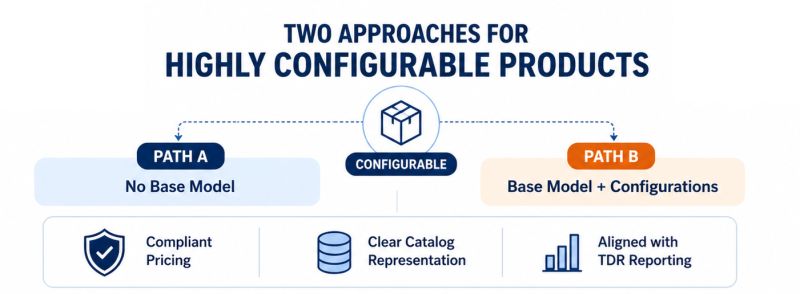
GSA released new guidance on how to handle highly configurable products in the FAS Catalog Platform – and this is a big one for vendors struggling with complex catalogs.
MAS Refresh 31 – Critical Update for SIN 339940 & 339940OS4 Contractors
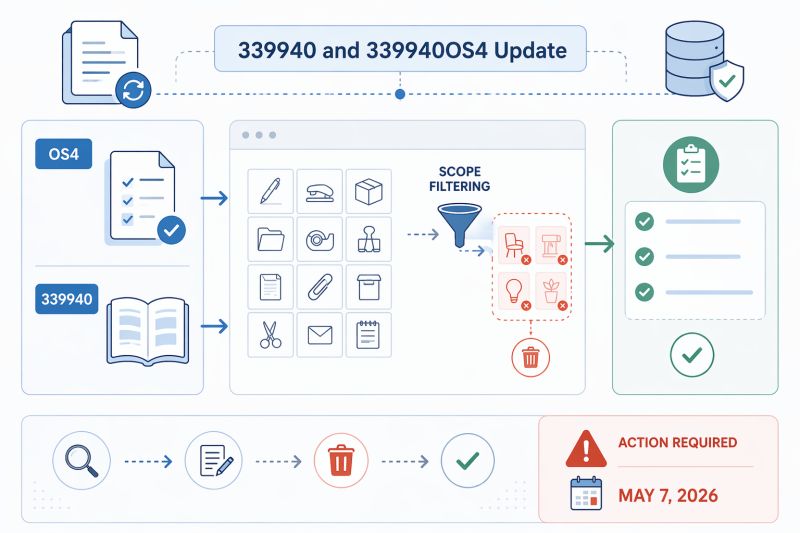
MAS Refresh 31 (April 2, 2026) introduced parallel but different requirements for SIN 339940OS4 and SIN 339940 – and both require action before May 7, 2026.
MAS Refresh 31 is LIVE: TDR Becomes Mandatory – What Contractors Need to Know
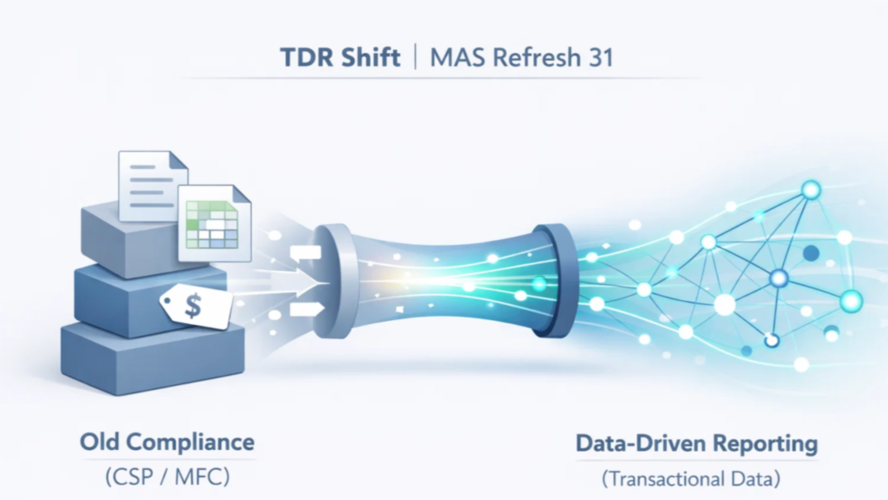
The upcoming GSA MAS Refresh 31 introduces one of the most significant structural changes to the Schedule program in years:
👉 Transactional Data Reporting (TDR) will become mandatory for ALL SINs
This marks the official end of the long-standing dual model (TDR vs CSP/MFC) and shifts the entire MAS program toward a data-driven compliance framework.



