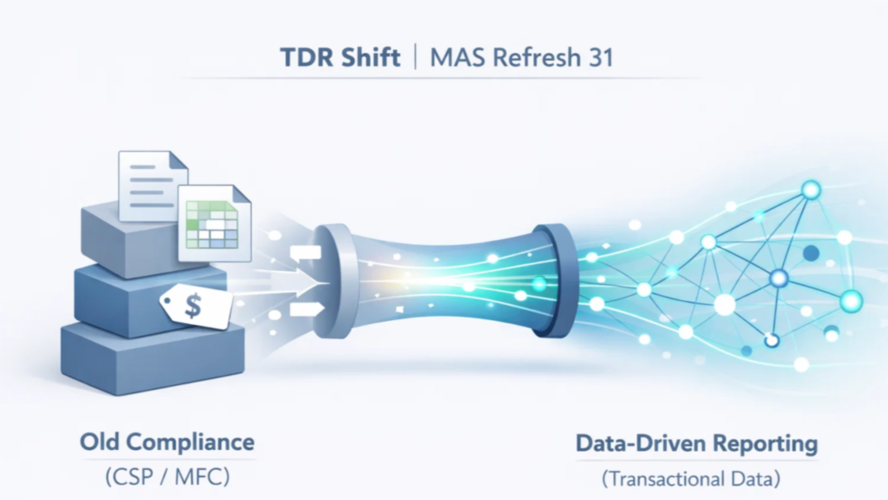
The upcoming GSA MAS Refresh 31 introduces one of the most significant structural changes to the Schedule program in years:
👉 Transactional Data Reporting (TDR) will become mandatory for ALL SINs
This marks the official end of the long-standing dual model (TDR vs CSP/MFC) and shifts the entire MAS program toward a data-driven compliance framework.
- What Is Changing?
- Why GSA Is Making This Move
- New Mandatory Data Requirements
- Transition Timeline – What to Expect
- Key Operational Challenges
- Strategic Implications
- Bottom Line
- Recommended Next Steps
What Is Changing?
Under Refresh 31:
- All SINs – including previously non-TDR SINs – will transition to TDR
- CSP disclosures and MFC tracking will be eliminated
- New reporting data elements will be introduced and standardized
📌 GSA is explicitly removing non-TDR and CSP-1 references from the solicitation
This is not just a reporting update – it fundamentally changes how pricing compliance is evaluated.
Why GSA Is Making This Move
TDR shifts compliance from pre-award disclosure → post-award transparency
Instead of:
- Justifying pricing based on commercial practices (CSP)
- Maintaining Basis of Award relationships
Contractors will now:
- Report actual transaction-level sales data monthly
- Provide GSA with real-time visibility into pricing behavior
According to GSA training materials, TDR is designed to:
- Reduce compliance burden (no CSP/MFC tracking)
- Increase transparency across MAS purchasing
New Mandatory Data Requirements
Refresh 31 expands and standardizes reporting fields.
New or newly mandatory elements include:
- Order Date & Ship Date
- ZIP Code shipped to
- Federal Customer (Treasury Agency Code)
- Order Type (FP, T&M, LH)
- Unique Catalog Identifier (UCID)
- Order-level discounts (in certain cases)
- Worksite (for services)
📌 Some of these fields are new requirements, while others move from optional → mandatory
Transition Timeline – What to Expect
For existing contractors:
- GSA will issue a mass modification to participate in TDR
- Contractors must accept within 60 days
- TDR becomes effective at the start of the next reporting quarter
Example:
- Accept mod → April-May-June
- TDR starts → July 1
Key Operational Challenges
From a contractor perspective, expect friction in:
1. Data Infrastructure
- Mapping internal systems → SRP format
- Aligning labor categories and UCIDs
2. Reporting Accuracy
- Monthly reporting is mandatory
- Errors directly impact compliance
3. Catalog Structuring
- UCID alignment becomes critical
- Poor catalog structure = reporting issues
Strategic Implications
This change will likely:
- Favor contractors with strong data systems and automation
- Increase visibility into pricing competitiveness
- Reduce reliance on negotiation narratives
- Shift leverage toward data-backed compliance reviews
It also aligns MAS with broader federal trends:
- Category management
- Data standardization
- Increased procurement transparency
Bottom Line
MAS Refresh 31 is not just another update – it is a program-wide shift in how compliance is measured.
If you are not already preparing for TDR at scale, you are behind.
Recommended Next Steps
- Review your SIN exposure
- Audit your internal data structure and reporting capability
- Align catalog (FCP) with future TDR requirements
- Identify pricing inconsistencies before GSA does